Rock Retaining Wall Gardens: Best Plants & Design Guide

Rock Retaining Wall Gardens: A Thriller, Filler, and Spiller Planting Guide
A rock wall or retaining wall can become more than a hard edge. With the right mix of upright anchors, mounding fillers, and cascading spillers, it can become a colorful pollinator strip, sensory garden, herb border, and low-water design feature.
Quick answer: The best rock retaining wall garden uses a layered formula: thrillers for height and rhythm, fillers for mounded color and texture, and spillers to soften the front edge. In sunny walls, pair drought-tolerant plants such as lavender, creeping thyme, moss phlox, candytuft, stonecrop, dianthus, rock cress, and Russian sage. In shadier or cooler wall edges, use woodland phlox, Pennsylvania sedge, sweet woodruff, and other shade-tolerant groundcovers.
Rock and retaining wall gardens are tricky because they behave like miniature microclimates. The top of the wall may be dry, sunny, windy, and hot. The bottom may collect runoff. A north-facing wall may stay cool and shaded, while a south-facing stone wall can reflect heat and dry out quickly. That is exactly why the “thriller, filler, spiller” container formula works so well here: it forces you to plan by shape, water need, bloom time, and viewing angle instead of buying one pretty plant at a time.
This guide focuses on plants that can work in and around a rock wall, raised bed edge, slope, dry bank, terrace, or retaining wall border. It also includes pollinator value, zone notes, and a practical how-to plan so the final design looks intentional instead of like a random row of plants.
The retaining wall version of “thriller, filler, spiller”
In containers, the phrase “thriller, filler, spiller” helps gardeners remember to add one dramatic upright plant, a few mounding plants, and something that trails over the edge. For a rock wall garden, the same idea works even better because the wall itself creates a raised stage.
Use lavender, Russian sage, delphinium, bee balm, Joe-Pye weed, or compact shrubs behind or above the wall. These create height, repeat color, and stop the planting from looking flat.
Use dianthus, candytuft, Pennsylvania sedge, rue, sweet woodruff, and compact herbs to fill gaps, cover soil, and blend the wall into the garden.
Use creeping thyme, moss phlox, stonecrop, rock cress, and trailing candytuft near the lip so blooms and foliage cascade over stone.
The most important design rule is to match plant roots to wall reality. A sunny stone ledge is not the place for thirsty plants that collapse without steady moisture. A shady woodland wall is not the place for lavender or thyme. A structural crack is not the place for a shrub. Think in zones: behind the wall for bigger anchors, top edge for medium perennials, front lip for spillers, and lower moist pockets for plants that appreciate more water.
.png)
Best plants for rock retaining wall gardens
The table below is designed as a practical starting point, not a rigid planting prescription. Always confirm exact cultivar hardiness and local invasive guidance before planting, especially with spreading groundcovers, rugosa rose, and non-native herbs.
| Plant | Wall role | Best placement | Zones / life cycle | Bloom window | Why it works |
|---|---|---|---|---|---|
| Lavender Lavandula angustifolia and hybrids | Thriller / aromatic anchor | Sunny top edge, dry raised bed, warm wall | Perennial; many types Zones 5–9, some cultivars colder | Early to midsummer | Silver foliage, fragrance, pollinator appeal, and a calm sensory-garden feel. Needs excellent drainage and airflow. |
| Russian sage Salvia yangii | Thriller / airy backdrop | Sunny upper wall, dry slope, pollinator strip | Perennial; often Zones 4–9 by cultivar | Summer to frost | Clouds of blue-purple flowers, bee value, drought tolerance, and long season movement. |
| Bee balm Monarda spp. | Thriller / pollinator magnet | Back of border or lower wall where soil stays evenly moist | Perennial; varies by species/cultivar | Summer | Native pollinator value, aromatic foliage, and bold color. Give airflow to reduce powdery mildew. |
| Joe-Pye weed Eutrochium spp. | Large thriller / late-season nectar | Behind a low wall or at the back of a larger terrace | Perennial; choose species/cultivar by zone and moisture | Late summer to early fall | Late nectar for bees, moths, and monarchs. Best for bigger walls, not tiny crevices. |
| Delphinium Delphinium spp. | Cool-climate thriller | Protected sunny spot with good soil and staking room | Annual or short-lived perennial; often Zones 3–9 | May to midsummer | Tall cottage-garden spikes for cool climates. High maintenance and toxic if ingested. |
| Rugosa rose Rosa rugosa | Shrub anchor | Behind or above wall, not inside wall face | Woody shrub; hardy to Zone 2 | Late spring to summer, with hips later | Tough, fragrant, salt-tolerant, and useful on banks. Check local invasive guidance before planting. |
| Dianthus Dianthus spp. | Filler / edging color | Sunny front edge or middle ledge | Annual, biennial, or perennial depending on type | Late spring to summer | Compact flowers, cottage-garden color, and a neat edge between upright herbs and spillers. |
| Candytuft Iberis sempervirens | Filler-spiller | Sunny to lightly shaded wall edge with good drainage | Perennial; Zones 3–8 | Spring to early summer | Evergreen or semi-evergreen mounds, white spring flowers, and graceful rock-wall spill. |
| Moss phlox Phlox subulata | Spiller / spring carpet | Sunny wall lip, dry bank, rock garden | Perennial; Zones 3–9 | April to May | Dense mat, intense spring color, drought tolerance once established, and a classic wall-cascade look. |
| Creeping thyme Thymus serpyllum | Spiller / aromatic mat | Full sun, sandy or rocky soil, between stones | Woody perennial; Zones 4–9 | June to September | Fragrant foliage, low growth, drought tolerance, nectar for bees and butterflies, and sensory appeal. |
| Stonecrop Phedimus spurius | Spiller / succulent groundcover | Dry, sunny, shallow, rocky soil | Perennial; Zones 3–9 | Spring to summer | Low, spreading, drought tolerant, and useful for rock walls, slopes, pollinator gardens, and erosion-prone edges. |
| Cascade purple rock cress Aubrieta ‘Cascade Purple’ | Spiller / spring color | Sunny rock garden or wall edge with moderate water | Perennial; Zones 4–8 | April to May | Semi-evergreen mats, purple spring flowers, erosion control, and a natural rock-garden look. |
| Pennsylvania sedge Carex pensylvanica | Filler / soft texture | Dry to moist shade, woodland wall, shady slope | Native perennial; best in cooler climates | Subtle spring texture | Soft grassy texture for shade, lawn-substitute value, wildlife cover, and sensory-garden movement. |
| Sweet woodruff Galium odoratum | Shade filler / groundcover | Partial to full shade, moist well-drained soil | Perennial; Zones 4–8 | Spring | Low woodland texture and fragrant dried leaves. Can spread aggressively in ideal conditions. |
| Rue Ruta graveolens | Textural filler with caution | Sunny, dry, poor, well-drained soil away from high-touch paths | Evergreen subshrub/herb; zone varies by region | Summer | Blue-green texture and historic insect-repellent associations, but use caution due to skin and pregnancy safety concerns. |
Stagger bloom times so the wall does not go quiet
A retaining wall is usually highly visible. That means a one-week bloom show can look amazing briefly and then leave you staring at bare foliage. The stronger strategy is succession: one plant group wakes up as another fades.
| Season | Plant ideas | Design purpose |
|---|---|---|
| Early spring | Candytuft, moss phlox, rock cress, sweet woodruff, early woodland phlox | Creates the first carpet of color and lets the wall look intentional before summer plants fill in. |
| Late spring to early summer | Dianthus, delphinium, creeping thyme, lavender starting in warm sites | Adds fragrance, cottage color, and pollinator activity at the wall edge. |
| Mid-summer | Lavender, bee balm, garden phlox, rugosa rose, thyme, stonecrop | Builds height, scent, edible-herb interest, and nectar diversity. |
| Late summer to fall | Russian sage, Joe-Pye weed, tall garden phlox, sedum/stonecrop, rose hips | Keeps the wall useful for late-season pollinators and adds movement when spring spillers are mostly foliage. |
| Winter structure | Evergreen candytuft foliage, sedge texture, stonecrop mats, woody herb silhouettes, rose hips | Maintains shape and visual interest even when flowers are gone. |
For pollinators, the value is not only the number of flowers. It is also timing. A wall with early phlox, summer thyme and bee balm, and late Russian sage or Joe-Pye weed becomes a season-long feeding route instead of a one-time floral display.

How to design a rock retaining wall garden
1. Map the microclimate first
Stand in front of the wall at different times of day. Notice whether the wall receives six or more hours of sun, whether stone reflects heat, whether water pools at the base, and whether the top dries out quickly. Sunny dry tops are ideal for lavender, thyme, stonecrop, rock cress, moss phlox, and similar plants. Shade pockets are better for Pennsylvania sedge, sweet woodruff, woodland phlox, and other shade-adapted plants.
2. Protect the wall before planting
A retaining wall has a job: holding soil in place. Do not plant shrubs or aggressive woody roots into structural gaps. Do not block drainage outlets. If the wall is crumbling, leaning, or cracking, solve the structural issue before making it pretty. Use larger plants behind or above the wall where roots have room and use small, shallow-rooted spillers near the front edge.
3. Build soil pockets that drain
Rock wall plants usually need sharp drainage. A basic mix can include mineral material for drainage, compost for organic matter, and a small amount of high-quality potting or living soil where the planting pocket is shallow. Avoid heavy, waterlogged soil at the top of a wall. If you are planting in containers set along a wall, choose a mix that supports roots without collapsing.

4. Choose your thriller, filler, and spiller by water need
Do not mix a thirsty plant at the same exact ledge level as a plant that wants very dry soil. Group Mediterranean-style plants together. Group shade plants together. Group moisture-loving pollinator plants, such as bee balm or Joe-Pye weed, in lower or deeper soil areas where they will not compete with dry-wall spillers.
5. Plant from back to front
Set the tallest plants first. Add mounding fillers next. Finish by tucking spillers near the edge so they can drape without smothering everything below. Repetition matters: three small drifts of creeping thyme or stonecrop usually look more intentional than ten unrelated plants in a row.
6. Water the first season, then reduce pampering
Drought-tolerant does not mean “never water.” Even tough plants need help while roots establish. Water deeply but less often, and avoid daily shallow watering unless you are settling new transplants in severe heat. After the first season, many rock-wall plants can handle drier cycles if they were matched to the right microclimate.
7. Maintain for shape, safety, and bloom
Shear candytuft after flowering, trim thyme if it gets woody, divide crowded bee balm, cut back phlox after bloom, and remove any plant that starts invading the wall structure. Wear gloves when handling rue or other irritating plants, and keep toxic plants away from children, pets, and high-touch pathways.

Zone-smart retaining wall ideas
Cold climates and Zone 4 gardens
For cold-winter walls, build around hardy perennials such as moss phlox, creeping thyme, stonecrop, candytuft, Pennsylvania sedge, Russian sage cultivars, and hardy lavender selections when drainage is excellent. Remember that freeze-thaw cycles can heave shallow plants out of the soil, so mulch lightly around crowns and re-tuck exposed roots in spring.
Hot, dry, sunny walls
Use the wall’s heat to your advantage with lavender, creeping thyme, stonecrop, dianthus, rock cress, and Russian sage. Avoid water-loving plants in the hottest upper pockets unless you can irrigate consistently.
Humid summer regions
Prioritize airflow. Lavender and phlox can struggle when humidity and poor air circulation invite disease. Space plants generously, avoid overhead irrigation, use gravel or sand-based mulches where appropriate, and choose mildew-resistant phlox or bee balm cultivars when available.
Shade and woodland walls
In shade, swap the Mediterranean palette for a woodland edge. Pennsylvania sedge can soften the wall with fine texture. Sweet woodruff can make a fragrant spring groundcover in cooler, shaded spaces but needs monitoring where it spreads too freely. Woodland phlox and native violets can help build a softer, more habitat-friendly look.
Containers on top of a retaining wall
If the wall itself cannot be planted, use a row of large, stable containers. This is a smart option for renters, concrete walls, or stone walls where planting into the wall could cause damage. Choose broad, heavy planters that will not tip in wind and use drip irrigation if the wall bakes in summer sun.
Featured plant shopping ideas for this design
Plan your wall garden here, with Rowan Sage's suggested plant list:

Pennsylvania Sedge
Soft texture for dry shade and woodland wall edges.
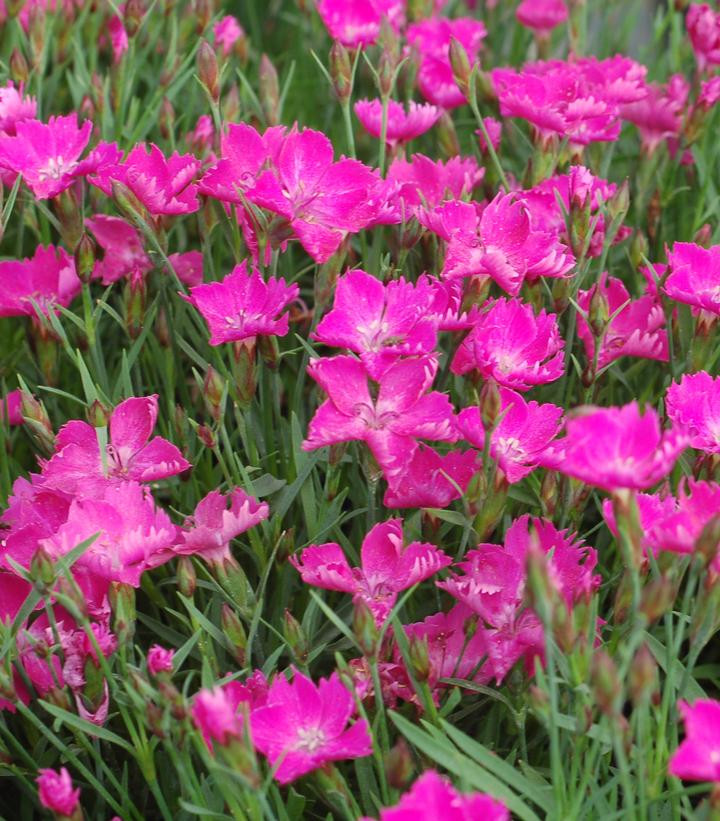
Kahori Dianthus
Compact color for sunny filler and edging layers.

Russian Sage
Airy late-season color and bee-friendly structure.

Munstead Lavender
Fragrance, silver foliage, and Mediterranean wall-garden style.
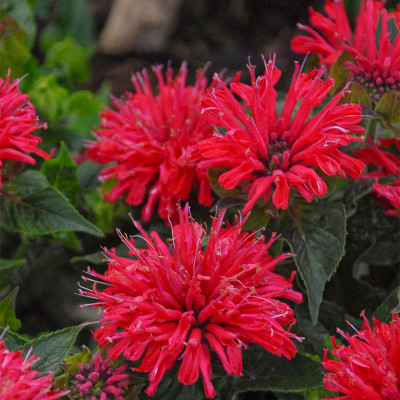
Bee Balm
Bold summer blooms for bees, butterflies, and hummingbirds.
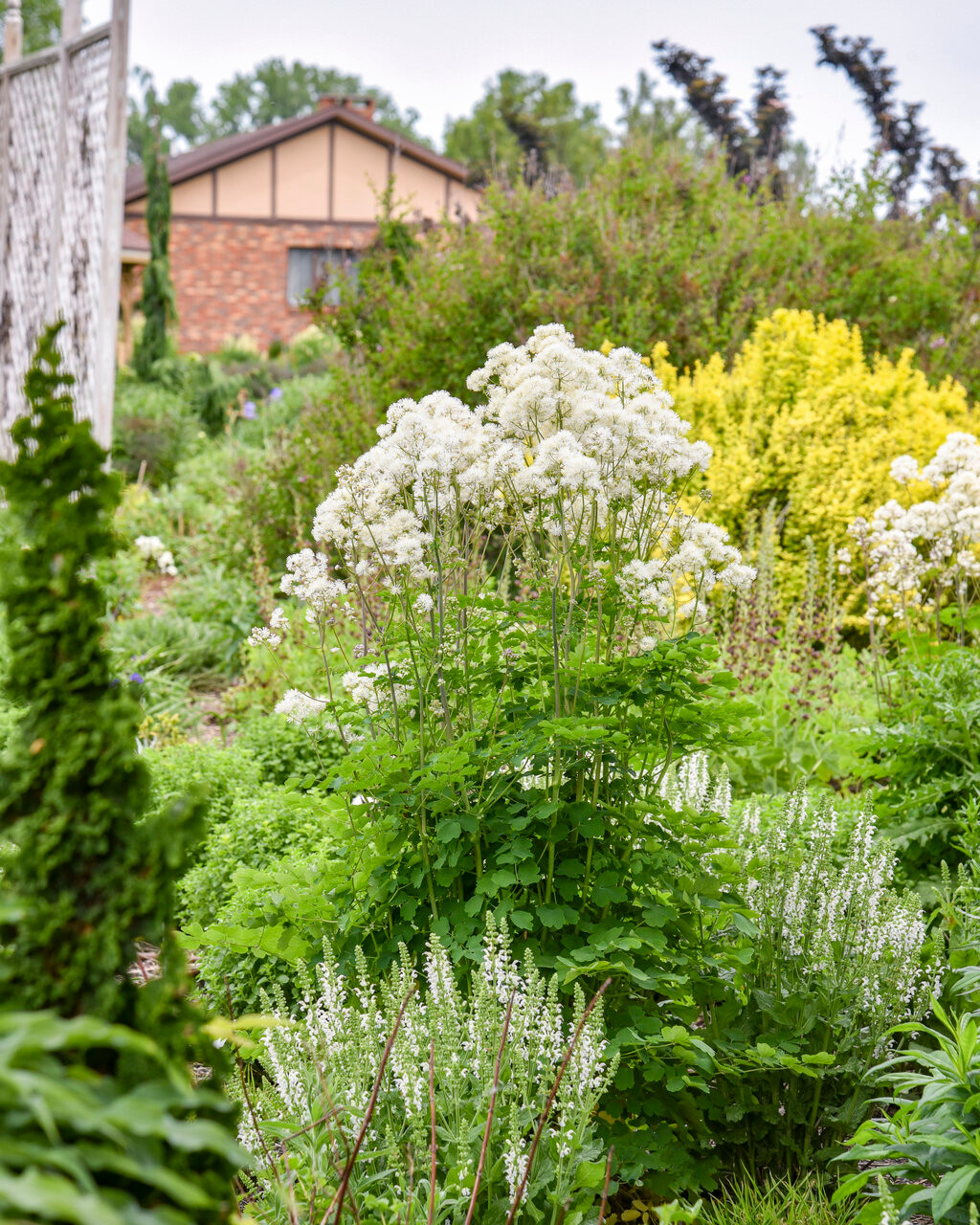
Meadow Rue
Soft vertical texture for part-shade cottage edges.
Internal paths for deeper planning
For more Resilient Roots design ideas, connect this project with Mindful Spaces for calming garden design, Urban Innovation for small-space planting systems, Sustainable Solutions for resource-smart gardening, Junior Naturalists for family nature projects, and Eco-Restoration for pollinator and habitat-focused planting.
Frequently asked questions
What plants are best for a rock retaining wall garden?
For sunny, dry walls, start with creeping thyme, moss phlox, candytuft, stonecrop, rock cress, dianthus, lavender, and Russian sage. For larger terraces, add bee balm, garden phlox, Joe-Pye weed, or rugosa rose behind the wall. For shade, use Pennsylvania sedge, sweet woodruff, woodland phlox, violets, and other shade-adapted plants.
Can I plant directly into a retaining wall?
Only plant into intentional, stable soil pockets. Avoid structural cracks, mortar joints, drainage holes, and unstable gaps. Use shallow-rooted spillers near the edge and place larger shrubs behind or above the wall.
How do I keep a retaining wall garden blooming all season?
Layer bloom times: spring candytuft, rock cress, and moss phlox; early summer dianthus and creeping thyme; summer lavender, bee balm, and phlox; late summer Russian sage, Joe-Pye weed, and sedum.
Are retaining wall gardens good for pollinators?
Yes. A wall garden can act like a narrow pollinator corridor when it includes pesticide-free care, varied flower shapes, staggered bloom windows, and a mix of native and well-behaved ornamental plants.
What should I avoid planting near a rock wall?
Avoid aggressive woody roots in structural seams, thirsty plants in hot dry pockets, invasive plants, toxic plants where children or pets play, and anything that blocks drainage or destabilizes the wall.
Sources and further reading
- Conservation Garden Park — Cascade Purple Rock Cress
- NC State Extension Plant Toolbox — Creeping Thyme
- Oregon State University Landscape Plants — Rosa rugosa
- NC State Extension Plant Toolbox — Stonecrop, Candytuft, Monarda, Pennsylvania Sedge, Delphinium, and Sweet Woodruff resources used for plant habit, site needs, wildlife value, and safety notes.
- Penn State Extension — Phlox in the Home Garden and Sweet Woodruff in the Garden and Kitchen.
- NC State Extension — Lavender history, taxonomy, and production.
- NIH/NCCIH — Lavender usefulness and safety.
- University of Iowa Roots of Medicine — Rue safety and historical use.
- Illinois Extension — History and pollinator value of Joe-Pye weed.
- NC State Extension — Plant Selection for Extensive Green Roofs, used for shallow-rooted, drought-tolerant, heat-exposed planting design comparisons.

Rowan Sage writes Resilient Roots from Minnesota, focusing on sustainable gardening, small-space resilience, mindful outdoor spaces, and evidence-aware plant choices for real homes.


Comments
Post a Comment