6 Fruiting Plants Every Gardener Should Try | Backyard & Container Fruit
6 Fruiting Plants Every Gardener Should Try
A backyard does not have to be an orchard to grow real fruit. These six plants — Patriot blueberry, Itasca grape, Somerset Seedless grape, American cranberry, Arbequina olive, and Ozark Beauty strawberry — show how fruit gardening can fit patios, edible landscapes, cold-climate yards, and small resilient spaces.

Photo by Rowan Sage, using Adobe Firefly — fruit plants can be tucked into edible landscapes, patio containers, trellises, and small resilient garden spaces.
This article includes affiliate links and sponsored placements. Resilient Roots may earn a small commission if you purchase through some links, at no extra cost to you. Product availability, prices, and promotions can change. Garden advice is educational and should be adapted to your local climate, soil test, and extension guidance.
The best fruiting plants to try first are the ones that match your climate, container space, and patience level. For cold northern gardens, start with Patriot blueberry, Somerset Seedless grape, Itasca grape, American cranberry, or Ozark Beauty strawberry. For warm climates or indoor overwintering, Arbequina olive is the adventurous container pick. Strawberries and blueberries give the fastest family-friendly payoff; grapes and olives need structure and pruning; cranberries need the most specialized acidic moisture.
Fruit plants are different from quick annual vegetables. They ask for a little more planning, but they repay that planning with beauty, pollinator value, seasonal rituals, and food that feels genuinely personal. A bowl of berries from a patio pot, a handful of grapes from a fence, or a few olives curing on the counter can make a home garden feel bigger than its square footage.
For Resilient Roots readers, that matters. Fruit plants connect Sustainable Solutions, Urban Innovation, Mindful Spaces, Eco-Restoration, and Junior Naturalists in one living project: grow something perennial, observe it through the seasons, and harvest what your space can realistically support.
Rowan’s resilience tip: fruit plants are a multi-year investment
Before buying fruit plants, check your USDA zone, sunlight, drainage, soil pH, and watering access. The Resilient Roots Resource Hub is a good place to start when you need zone-specific planning help. A healthy fruit plant in the right place is usually cheaper than replacing three stressed plants in the wrong one.
Browse Seeds Now for herbs, vegetables, and pollinator-friendly companion plants to grow around your fruit garden.

Grow your own healthy sprouts right in your kitchen. Use code RESILIENTROOTSREALM at checkout for a Resilient Roots reader discount.
At-a-glance comparison: which fruit plant fits your space?
| Plant | Best fit | Pollination note | Container or ground? | Kitchen uses |
|---|---|---|---|---|
| Patriot blueberry | Acidic-soil gardeners, cold zones, edible landscapes | Can fruit alone, but another compatible blueberry improves yield and berry size | Large acidic container or amended in-ground bed | Fresh eating, pancakes, jam, smoothies, freezing |
| Itasca white grape | Cold-climate wine, juice, or experimental backyard growers | Grapes are generally self-fruitful; plant for vine health and site fit, not a separate pollinator | Best in ground with a strong trellis; large containers need serious winter care | White wine, juice blends, jelly, vinegar, cooking reductions |
| Somerset Seedless grape | Cold-climate fresh-eating grape lovers | Usually self-fruitful like most bunch grapes | Best in ground; possible in a very large pot with winter root protection | Fresh snacking, lunchboxes, frozen grapes, juice, jelly |
| American cranberry | Acid-bed gardeners, bog-box experiments, native-fruit lovers | Bee activity matters; fruit set improves with pollinator presence | Container bog box, raised acidic bed, or specialty in-ground bed | Sauce, relish, baking, chutney, syrups, dried fruit |
| Arbequina olive | Warm climates, patio gardeners, indoor overwintering experiments | Self-pollinating, though fruit set can vary with climate and pollen viability | Ground in mild zones; container in cold zones | Cured olives, olive oil, tapenade, Mediterranean dishes |
| Ozark Beauty strawberry | Beginners, families, patio pots, quick harvests | Self-fertile but bees improve pollination | Excellent in beds, towers, hanging baskets, and containers | Fresh eating, shortcake, jam, freezing, salads |

1. Patriot blueberry: the edible landscape workhorse
Why try it: Patriot blueberry is a northern highbush blueberry with large berries, strong ornamental value, and a reputation for cold hardiness. It fits the kind of garden that needs to do more than one job: feed people, support pollinators, offer fall color, and make the yard feel intentional.
A little history: Highbush blueberries are North American fruits that became an important cultivated crop over the last century. Patriot appears in multiple extension cultivar lists because it combines large fruit with a manageable, upright habit and strong cold-climate usefulness.
Growing tips: Give Patriot full sun, steady moisture, and acidic soil. In alkaline or heavy clay areas, a large container may be more reliable than trying to transform an entire yard. Use a pot at least 18–24 inches wide, an acidic blueberry/azalea-style medium, and wood mulch to protect shallow roots. In cold zones, protect container roots from freeze-thaw swings by moving the pot to an unheated sheltered space or insulating it.
Nutrition and kitchen uses: Blueberries are valued for fiber, vitamin C, and anthocyanin pigments. Eat them fresh, freeze them on trays, fold them into pancakes, simmer them into compote, or add them to yogurt and oatmeal.
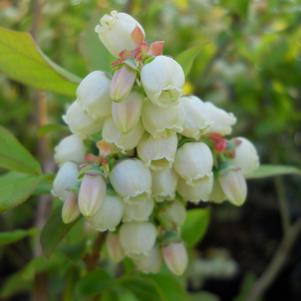
Plant Addicts: Patriot Blueberry
Order live plants when you want to start designing the edible landscape right away instead of waiting for seeds.
Container soil note
Blueberries are one of the best examples of why “good garden soil” is not always the same as “good plant-specific soil.” Acid-loving fruit plants need the right pH, moisture, drainage, and organic matter. For container experiments, Rosy Soil may be useful for gardeners building high-quality patio systems, but always match the mix to the crop’s pH needs.

2. Itasca white grape: the northern climate wine experiment
Why try it: Itasca is not a grocery-store table grape. It is a cold-hardy white wine grape with a story rooted in northern breeding, climate adaptation, and the effort to make grapes work where older European cultivars often failed.
A little history: The University of Minnesota grape breeding program identified Itasca as an elite seedling in 2009 and released it to licensed nurseries in 2017. It was bred from cold-hardy parentage, including Frontenac gris, and selected for fruit quality, winter survival, and disease resistance.
Growing tips: Site selection is everything. Choose full sun, a strong trellis, good air movement, and soil that drains. Grapes need annual pruning; if you skip pruning, vines become beautiful chaos but fruit quality suffers. In cold areas, avoid low spots where cold air settles.
Nutrition and kitchen uses: Grapes provide natural sugars, fluid, and plant compounds such as polyphenols. Itasca is most useful for wine, juice blends, vinegar experiments, jelly, or cooking reductions rather than fresh snacking.

Plant Addicts: Itasca Grape Vine
A good fit for gardeners who want a cold-hardy grape with a northern wine-growing story.

3. Somerset Seedless grape: the snack grape for cold-climate trellises
Why try it: Many cold-climate gardeners want fresh seedless grapes but discover that most seedless grapes struggle where winter is severe. Somerset Seedless is one of the exceptions worth knowing because it is repeatedly recommended as one of the hardiest seedless options for northern home gardens.
A little history: Somerset Seedless is associated with the Upper Midwest’s cold-climate grape tradition, especially the work of grape breeder Elmer Swenson and the broader regional movement to create grapes that could handle short seasons and deep winter.
Growing tips: Treat Somerset like a permanent edible structure. Give it a fence, arbor, or trellis that can hold real vine weight. Water the first two years while roots establish, then shift toward deep, consistent watering during dry spells. Protect ripening clusters from birds before they discover the fruit.
Nutrition and kitchen uses: Fresh grapes are mostly water and carbohydrate, with small amounts of vitamins and plant compounds. Eat Somerset fresh, freeze clusters for summer snacks, or turn extras into juice and jelly.
Fruit plants reward long-term soil thinking. For biochar-based soil building, explore Tree of Life Biotech’s premium biochar products. Keep biochar and specialty soil placements separated from acid-specific blueberry and cranberry recommendations unless your soil plan is based on a test.


4. American cranberry: the native bog fruit for patient experimenters
Why try it: American cranberry is not the simplest backyard fruit, but it is one of the most fascinating. It is a native North American fruit with strong cultural history, bright seasonal color, and a tart flavor that turns ordinary fall cooking into something memorable.
A little history: True American cranberry (Vaccinium macrocarpon) is native to central and eastern Canada and the northeastern and north-central United States. Indigenous peoples used cranberries as food, medicine, and dye. European settlers called them “crane berries,” a name linked to the crane-like shape of the flower, which eventually became “cranberries.”
Growing tips: The biggest myth is that cranberries grow underwater. Commercial beds are often flooded for harvest and winter protection, but the plants themselves need moist, acidic, well-drained conditions rather than permanent standing water. In a home garden, a raised bog box or trough can be easier than amending a large bed.
Nutrition and kitchen uses: Cranberries are tart, high-impact fruits used in sauces, relishes, chutneys, syrups, baked goods, and savory glazes. They are known for vitamin C, fiber, organic acids, anthocyanins, and proanthocyanidins.
Plant-name caution: Highbush cranberry or American cranberrybush viburnum is a different plant from true American cranberry. Both can be useful in landscapes, but they are not interchangeable in recipes, growth habit, or plant family.

5. Arbequina olive: the patio tree with Mediterranean roots
Why try it: Arbequina is the fruit plant on this list for gardeners who enjoy a challenge. It is compact, ornamental, self-pollinating, and strongly associated with olive oil production.
A little history: Olive trees are ancient Mediterranean crops. Arbequina originated in Spain’s Catalonia region and became important because its compact habit works well in high-density olive systems. In the United States, olive history is also tied to California, where Franciscan monks planted olives in what is now San Diego in 1769.
Growing tips: Arbequina needs sunlight and drainage more than pampering. Use a large pot with drainage holes, avoid soggy soil, water deeply and then allow the mix to dry somewhat, and prune lightly to shape. In cold climates, move the tree indoors or into a protected bright space before damaging cold.
Nutrition and kitchen uses: Fresh olives are too bitter to eat straight from the tree and must be cured. Once processed, olives and olive oil provide monounsaturated fat, especially oleic acid, and plant phenols that contribute bitterness, pungency, and antioxidant properties.
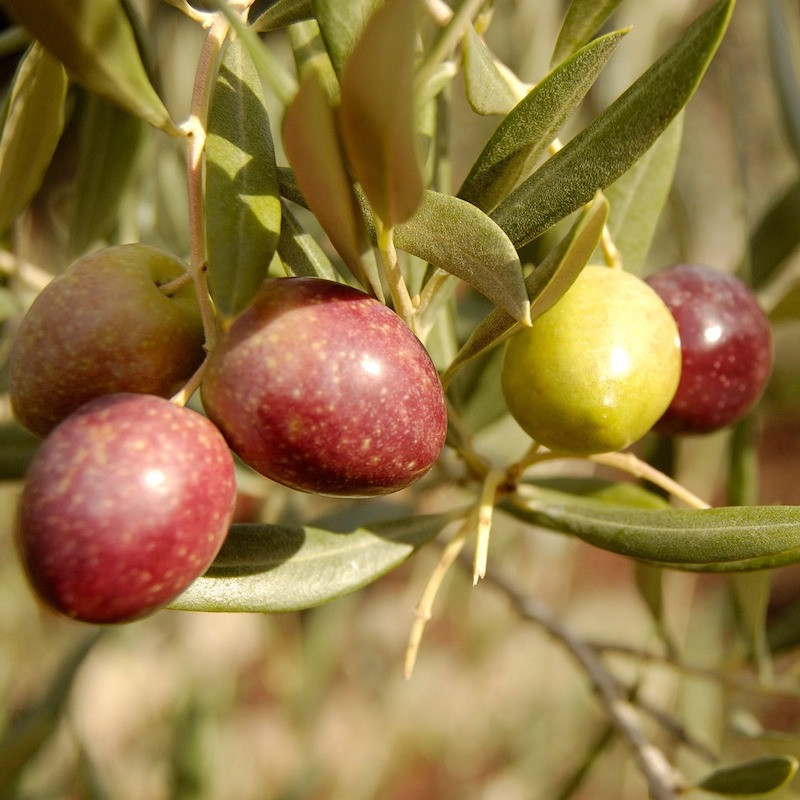
Plant Addicts: Arbequina Olive Tree
A compact olive choice for patios, warm climates, and gardeners ready to overwinter a container tree.

6. Ozark Beauty everbearing strawberry: the fast reward fruit
Why try it: Strawberries are the gateway fruit plant. They are low, familiar, kid-friendly, container-friendly, and fast enough to keep new gardeners motivated. Ozark Beauty is a classic everbearing type, which means it can produce more than one flush of berries instead of one short June crop.
A little history: Modern garden strawberries are hybrids with a long breeding history. Everbearing strawberries became popular because they stretched the harvest season for home gardeners.
Growing tips: Plant strawberries 12–18 inches apart in beds, or use containers with excellent drainage. Remove the first flowers for a few weeks after planting so new plants build roots before fruiting. Keep runners under control; too many daughter plants can turn a tidy planting into a crowded mat. In cold climates, winter mulch helps plants survive temperature swings when snow cover is unreliable.
Nutrition and kitchen uses: Strawberries are known for vitamin C, fiber, color, and bright flavor. Eat them fresh, freeze sliced berries, simmer them into jam, add them to salads, or use them in shortcakes and yogurt bowls.

Plant Addicts: Ozark Beauty Strawberry
A fast-payoff fruit plant for beds, planters, hanging baskets, and family garden spaces.
How to choose your first fruit plant
Choose strawberries first if you want a quick harvest, easy containers, and a kid-friendly project. Choose blueberries if you can commit to acidic soil and long-term care. Choose Somerset Seedless if your dream is fresh grapes in a cold climate. Choose Itasca if you want a cold-hardy wine grape and you are willing to prune. Choose American cranberry if you enjoy native plants and specialized acidic moisture. Choose Arbequina olive if you have warm winters or a bright overwintering space.
Most gardeners do not need all six at once. Start with one quick fruit and one long-term fruit. For example, plant Ozark Beauty strawberries in a container this spring and prepare a blueberry bed for fall or next year. Or plant Somerset Seedless on a trellis and fill the base of the edible landscape with pollinator flowers while the vine matures.
Best beginner pairings
- Small patio: Ozark Beauty strawberry + Arbequina olive in a movable pot.
- Cold backyard: Somerset Seedless grape + Patriot blueberry.
- Family STEM garden: Strawberry + cranberry bog box for comparing plant habitats.
- Edible landscape: Patriot blueberry + Somerset Seedless grape on a fence or arbor.
- Warm-climate patio: Arbequina olive + strawberries in a vertical planter.
Sources and further reading
- University of Minnesota Extension — “Growing blueberries in the home garden.”
- University of Minnesota Extension — “Growing grapes in the home garden.”
- University of Minnesota grape breeding and enology program — Itasca grape release and background materials.
- Clark, Hemstad & Luby — “‘Itasca’ Grapevine, a New Cold-hardy Hybrid for White Wine Production,” HortScience, 2017.
- Minnesota Grape Growers Association — Growing Grapes in Minnesota: A Best Practices Manual for Cold Climate Viticulture.
- University of Minnesota Extension — “Growing strawberries in the home garden.”
- Penn State Extension — “Cranberries, A Holiday Tradition.”
- University of Illinois Extension — “Cranberries.”
- University of Maine Cooperative Extension — “How to Grow Cranberries.”
- Xue et al. — “Influence of the Growing Region on the Phytochemical Composition and Antioxidant Properties of North American Cranberry Fruit,” Plants, 2023.
- Oregon State University Olive Research Program — 2025 olive cold hardiness project summary.
- Garrido et al. — “Reproductive Biology of Olive Trees (Arbequina cultivar) at the Northern Limit of Their Distribution Areas,” Forests, 2021.
- Ohio State University Extension — “Growing Blueberries in the Home Garden,” 2026.
- Oregon State University Extension — “Growing Blueberries in Your Home Garden.”
FAQ
What is the easiest fruit plant on this list?
Ozark Beauty strawberry is the easiest quick-start choice for most gardeners because it grows well in containers, produces relatively quickly, and does not require the soil pH precision that blueberries and cranberries need.
Can blueberries, cranberries, grapes, olives, and strawberries all grow in containers?
They can all be attempted in containers, but the difficulty varies. Strawberries and blueberries are the best container picks. Arbequina olive is a strong container option where it must be overwintered indoors. Cranberries can work in a specialty bog-style trough. Grapes need very large containers, strong trellises, and winter root protection, so in-ground planting is usually easier.
Which fruit plants need a pollinating partner?
Blueberries usually benefit from a second compatible variety. Cranberries rely heavily on bee activity for good fruit set. Strawberries are self-fertile but benefit from bees. Most bunch grapes are self-fruitful. Arbequina olive is generally self-pollinating, though real-world fruit set still depends on climate and flowering conditions.
Which plants are best for cold climates?
Somerset Seedless grape, Itasca grape, Patriot blueberry in the right acidic soil, American cranberry, and mulched strawberries are the best cold-climate candidates. Arbequina olive is the least cold-hardy and should be treated as a container plant in cold regions.
Grow a more resilient edible landscape
Get seasonal garden notes, resilient living ideas, and practical growing guides from Resilient Roots.

About the author
Rowan Sage writes Resilient Roots from Minnesota, focusing on sustainable gardening, small-space food systems, eco-restoration, family nature learning, and practical resilience. Contact: ResilientRootsRowan@Gmail.com.


Comments
Post a Comment